
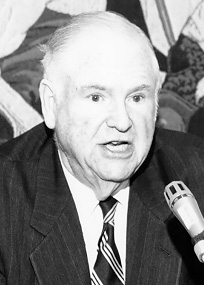
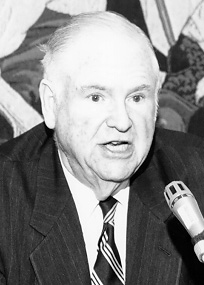
The SEC relied on the FASB to develop accounting standards, but the agency took steps to supervise the setting of those standards by issuing a number of Accounting Series Releases “requiring registrants to include new types of disclosures in their financial statements.”(55) In 1972, John “Sandy” Burton was hired as the SEC’s Chief Accountant. Burton would prove to be an innovative thinker with an acute understanding of the principles and problems inherent in the accounting practice. During his term, the SEC would initiate a procedure to make earnings forecasts more reliable, set the principle of differentiated disclosure which recognized the varied skill set of individual investors, and encourage the practice of more detailed disclosure by firms of unanticipated and unusual risks to better advise investors.(56)
Events such as the corporate payments scandal, and the bankruptcy of the Penn Central and several other major corporations, caused the SEC and Congress to focus on accounting and auditing practices, and called into question the conduct of large accounting and auditing firms and the SEC’s existing approach to the self-regulation of the profession. The U.S. Senate held hearings in 1976 on auditor performance, and published highly critical findings in The Accounting Establishment, known as the Metcalf Report, which contained a long list of suggested reforms.(57) In 1978, the U.S. House of Representatives proposed the establishment of a federal organization to regulate accounting practice before the SEC.
In response, the AICPA proposed regulations of certified public accounting firms for SEC and private practice, with peer-review of the CPA systems of quality control every three years. The proposal also established a public oversight board of five members to review and report on the SEC practice section’s activities.
The SEC advocated that the AICPA be given time to regulate the professional practice of its members. At the same time, the SEC parlayed Congressional interest in additional regulation to encourage the AICPA toward expanded self-regulation.(58) While the accounting profession continued to take an activist role in its own regulation, changes to the accounting industry were to an extent driven by the SEC’s recognition that principled accounting and corporate governance issues were an essential part of promoting and providing for adequate disclosure of facts to investors. This recognition re-built the infrastructure for the growing role the SEC would play in the regulation of securities-related accounting in the years ahead.