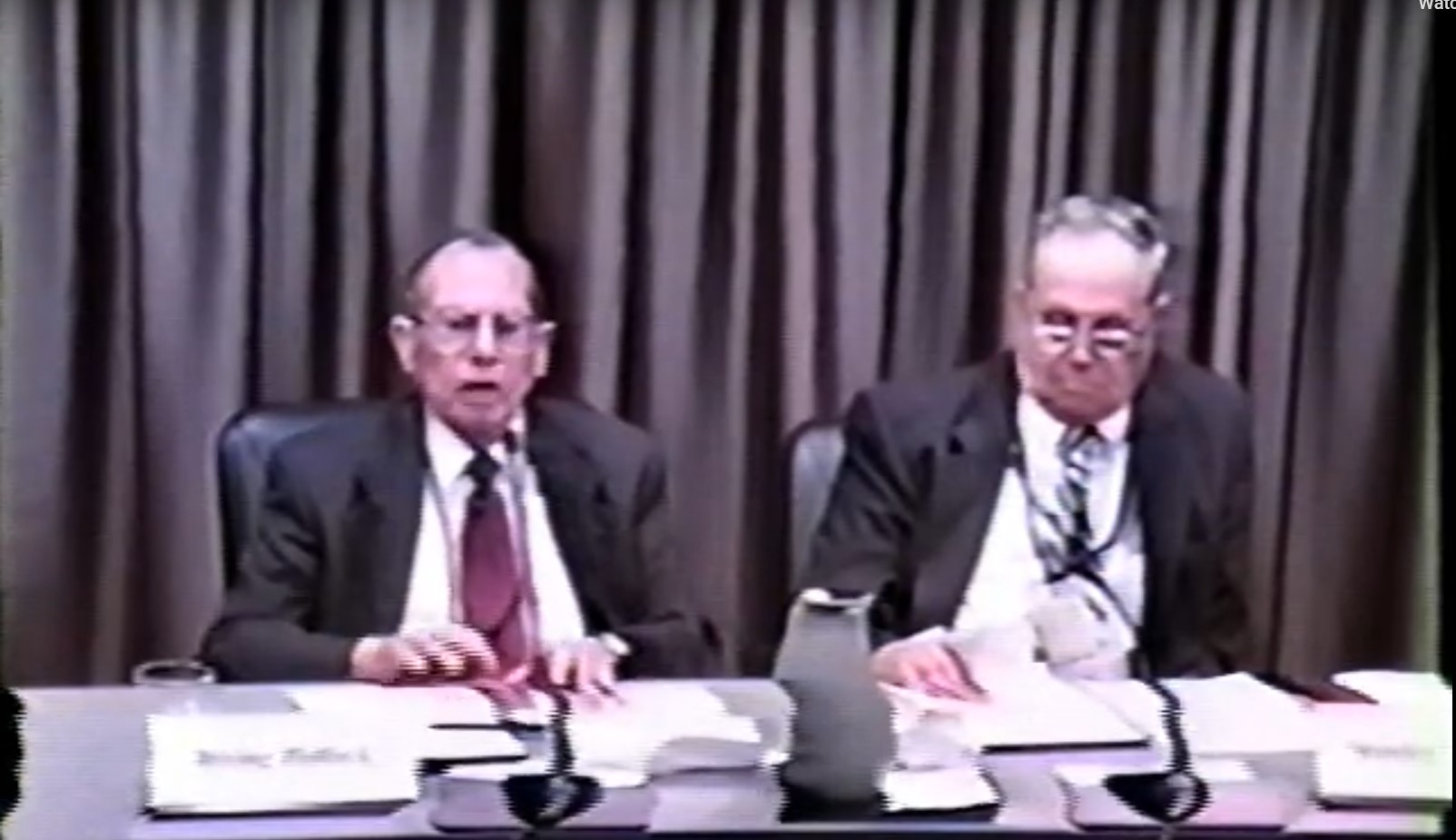
Two months after the Wells Report, Casey announced a major reorganization of the SEC which included the creation of a new Division of Enforcement with Irving Pollack at the helm and Sporkin as his deputy.(1) The core of the new Division was the enforcement staff from Trading and Markets (itself renamed the Division of Market Regulation), but it also included attorneys and investigators who had been pursuing enforcement matters in the Divisions of Corporate Finance and Corporate Regulation.(2) (Regional offices were left out of the reorganization and kept their own enforcement staffs, which have played a major role in enforcing the securities laws up to the present day.) Casey justified creation of the new Enforcement Division as a way to “improve our identification of enforcement targets and selection of cases, refine our investigative techniques, make enforcement policies more consistent and provide better training and supervision for our younger personnel.”(3) There was no doubt much truth to this, but it was not the whole story. The new Division was also intended to separate regulation more sharply from enforcement – which even in 1972 some thought had become too closely entwined – and, even more important, to separate Irving Pollack from regulation.(4)
See Special Exhibit – Irving M. Pollack – Father of the SEC Division of Enforcement
While Casey appeared to have a high personal regard for Pollack, he believed that Pollack and the SEC staff were too enamored of regulation, and Casey feared that after he left the agency the staff would be able to set the regulatory agenda, particularly if Pollack still helmed the division regulating markets.(5) As Pollack recalled, he and Casey “had some divergent views on how far things should be pushed in the regulation area. [Casey] was about to leave the Commission and he felt that if I was still in the regulation area, I might influence his subsequent successors to un-do some of the things or to push in areas that I might have been more aggressive.”(6) Pollack also had foes in the securities industry who may have been happy to see him moved away from the regulatory levers; when he was named an SEC Commissioner two years later, it was over “strong securities industry opposition”(7) kindled by his longtime advocacy of major changes in the industry, including termination of fixed brokerage rates.(8) Out of such institutional politics and personal conflicts was the new Division born.