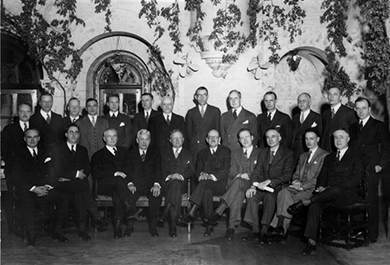
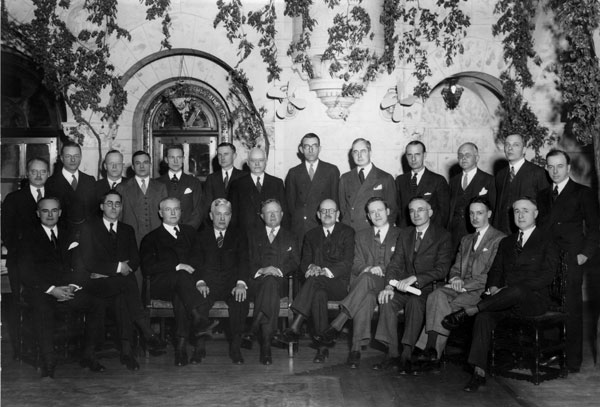
In the fall of 1933, the nation’s securities dealers seemed all but defeated. Theirs was not “the stock market” most Americans equated with 1920s prosperity leading up to the Great Crash, but in manning telephones in brokerages across the nation, they had operated an “over-the-counter” (OTC) market worth at least $4 billion annually throughout the 1920s. In 1929, receipts exceeded $11 billion.
After the crash, OTC dealer income dropped more than tenfold. In October 1933, besieged in a Blue Ridge mountain retreat, the harried dealers bowed to the charges of journalists, vowing that henceforth they would play it straight with the public and heed government calls for better regulation of the OTC business for its own good.45